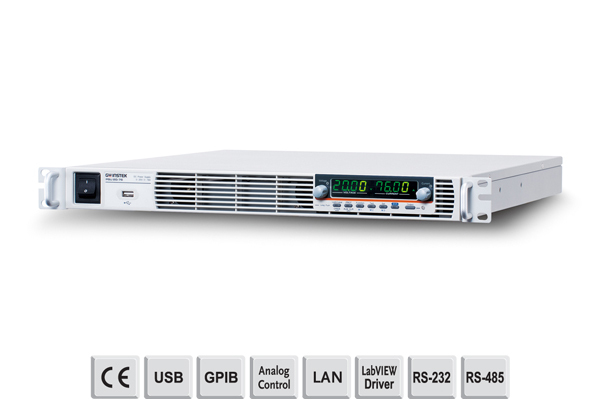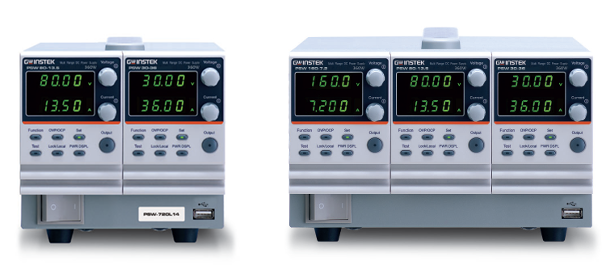
In semiconductor industry, Test and Measurement (T&M) instruments are essential for validating the quality, reliability, and performance of semiconductor devices throughout their lifecycle. Extensive testing methodologies are used to identify and address defects, manufacturing variations, and other issues that potentially impact the chip’s performance. Test engineers conduct reliability tests, such as High Temperature Operating Life, Electro Static Discharge, Latch-Up, Temperature Cycling, Thermal aging, and accelerated life testing, to assess how semiconductors perform under extreme conditions and over time.GW Instek test solutions include:
Typical use case example: In MOSFET characterization, a DC power supply biases the gate source and drain source junctions, while measuring the current response.
Suitable for low voltage /low power semiconductor devices
![]()
Suitable for high voltage /power semiconductor devices testing for estimating the Switching losses, Efficiency ,studying the thermal behaviour and I-V Characterization.
![]()
Suitable for high voltage /power semiconductor devices testing for estimating the Switching losses, Efficiency ,studying the thermal behaviour and I-V Characterization.

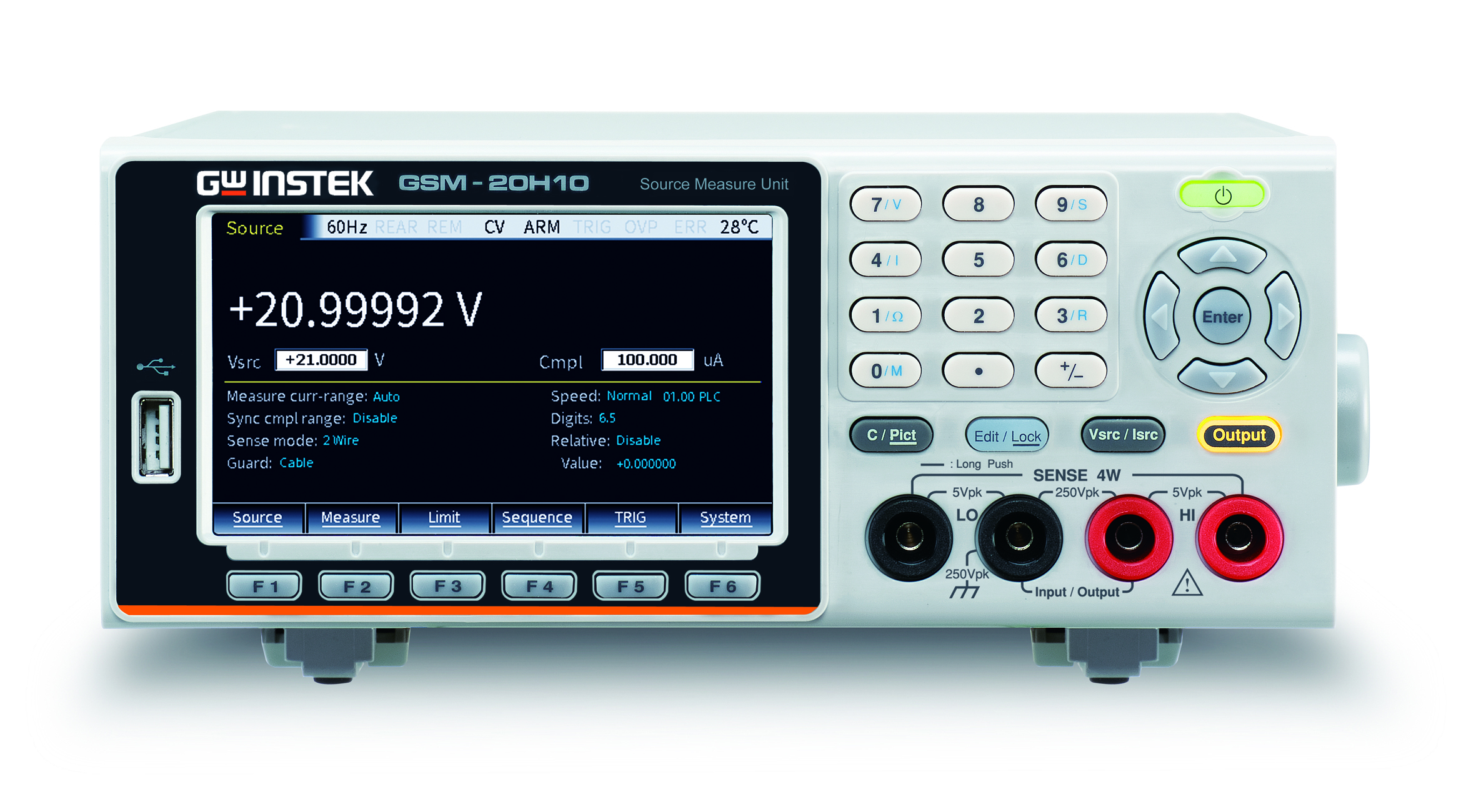
source measure units (SMU) deliver precise voltage and current sourcing with simultaneous measurement capabilities, making them ideal for testing semiconductors, materials , electronic components and I-V characterisation. In The sourcing of voltage and current span across both positive and negative values, SMUs hence have four-quadrant operation while power supplies typically operates in single quadrant.
Key features include:
GW Instek GSM-20H10 is a precision source measure unit that provides highly stable DC power and instrument-grade 6½-digit multimeter measurements.
While operating, this instrument can be used as a voltage source, current source, voltmeter, ammeter, and ohmmeter. GSM-20H10 provides four-quadrant operation of ±210V/±1.05A/22W with an accuracy of 0.012% and a resolution of 1µV/10pA/10µΩ.

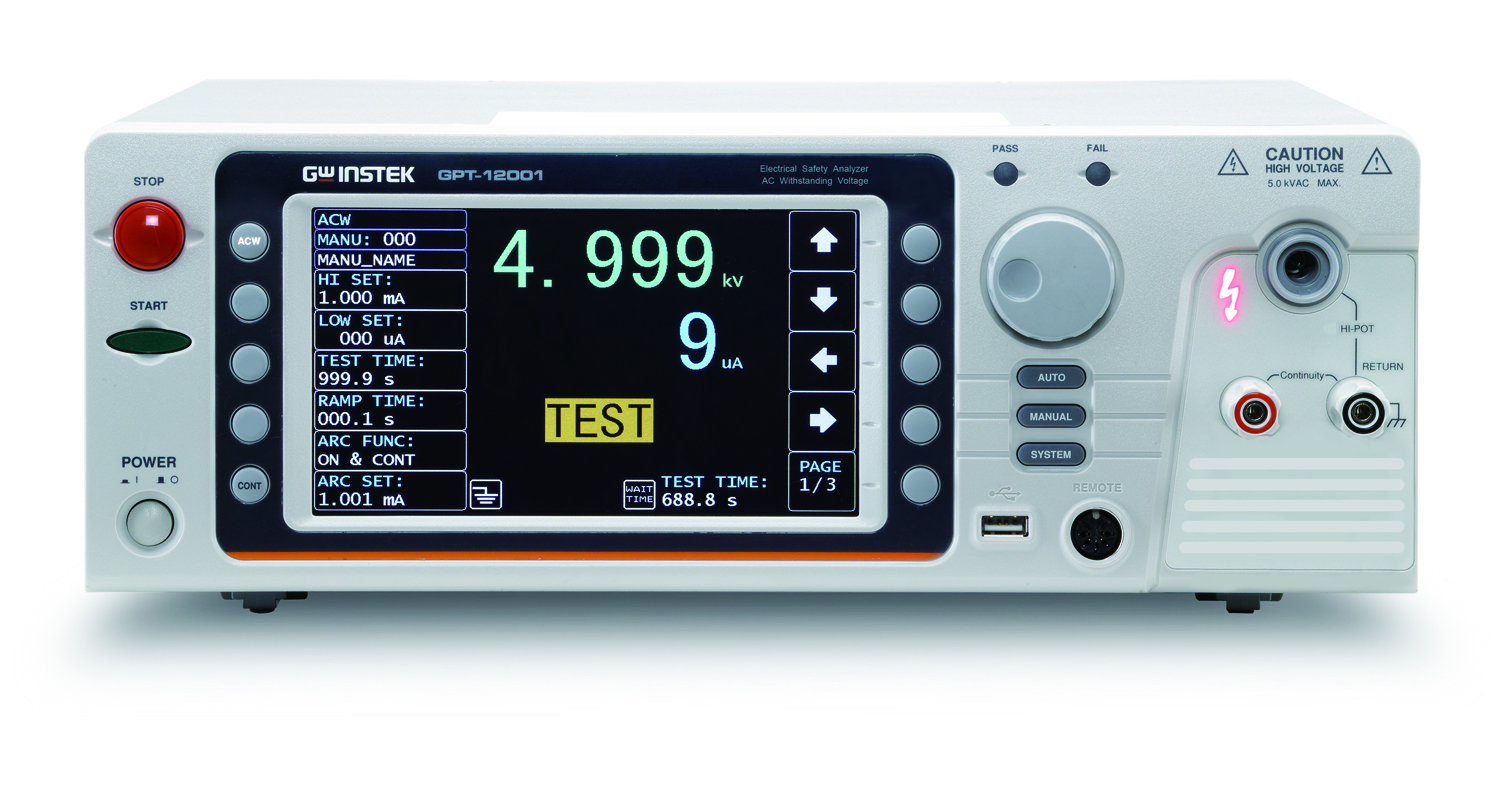
A Hi-Pot (High Potential) Tester is widely used in semiconductor R&D applications to ensure the electrical safety and reliability of devices by testing insulation and dielectric strength. In semiconductor research and development, applications include:

In the semiconductor industry, spectrum analysers are essential for testing RF, analog, and mixed-signal semiconductor devices such as RF transceivers, amplifiers, PLLs, and wireless chips.
Key Applications of Spectrum Analysers in Semiconductor Testing
Bandwidth 9kHz ~ 8.0GHz

Burn-in testing in the semiconductor industry is used to detect early-life failures in chips before they reach the market. The idea is to stress devices under high temperature, voltage, and continuous operation, so that weak or defective units fail in the factory rather than in the field
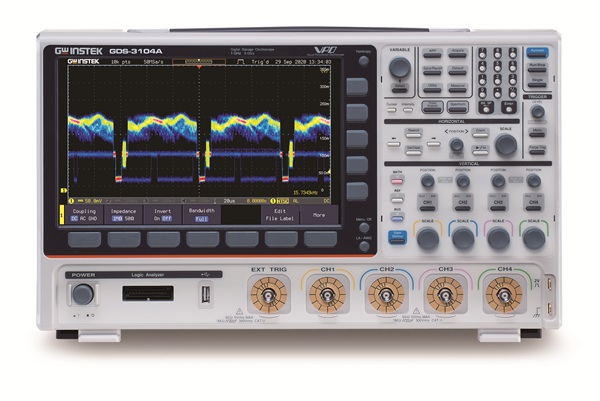
In semiconductor burn-in testing oscilloscopes have critical role for monitoring, debugging, and verifying the devices under stress. They complement the power supplies and electronic loads in the burn-in setup.
Bandwidth -1 GHz

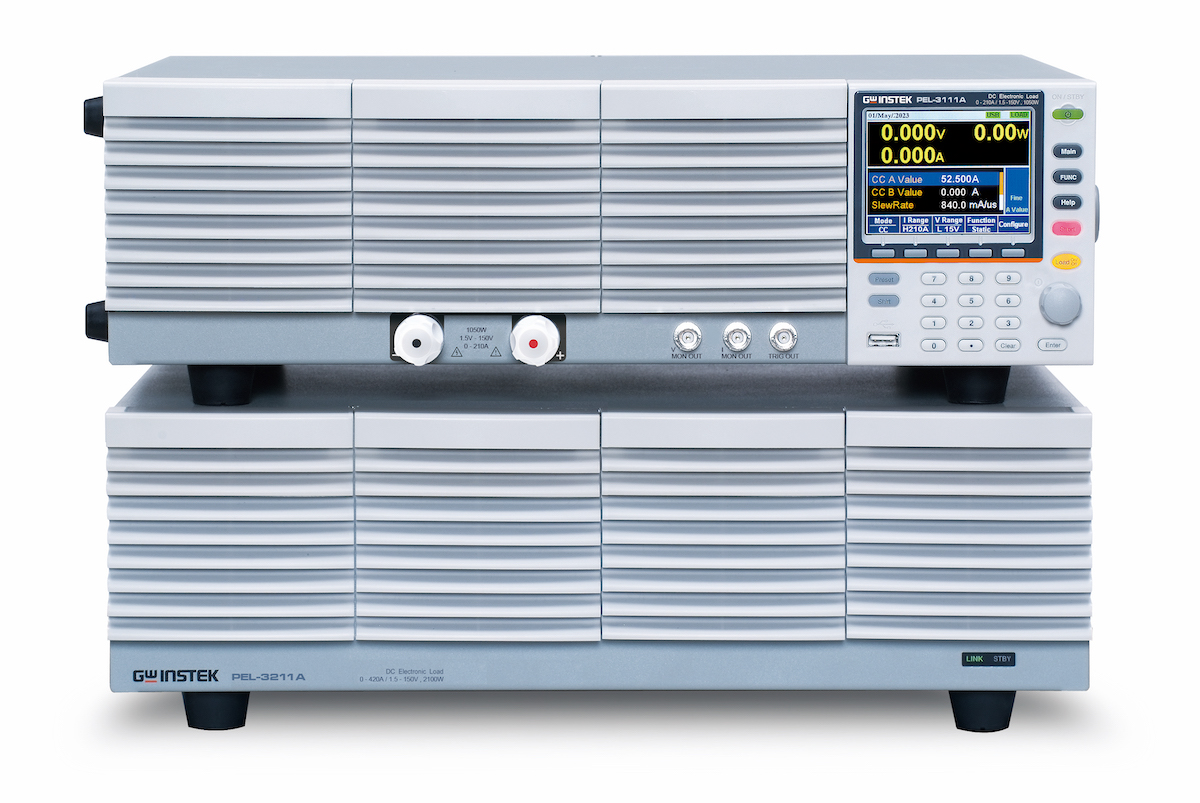
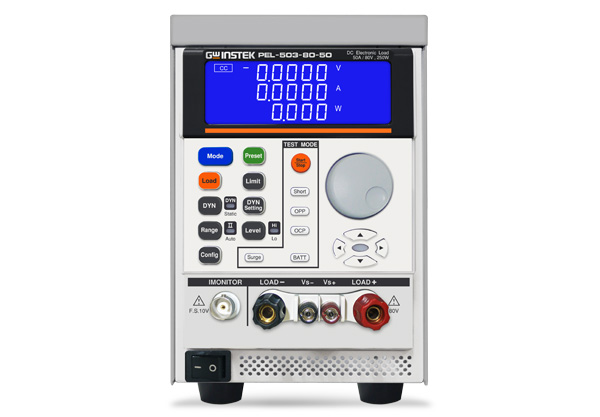
In semiconductor burn-in testing, DC electronic loads are a crucial part of the test setup because they simulate real operating conditions by drawing controlled current from the Device Under Test (DUT). Unlike power supplies, which provide voltage, DC loads pull current in programmable ways to stress the device.


Arbitrary waveform generators (AWGs) are essential for testing mixed-signal Integrated Circuits (ICs) because they provide the flexibility, precision, and high-frequency capabilities needed to simulate complex, real-world operating conditions that standard function generators cannot achieve. Unlike simple signal generators, AWGs can create custom, user-defined waveforms, including modulated signals (QAM, OFDM), noise, and non-standard shapes, allowing for comprehensive validation of both analog and digital circuits on a single chip.
Examples of use cases:
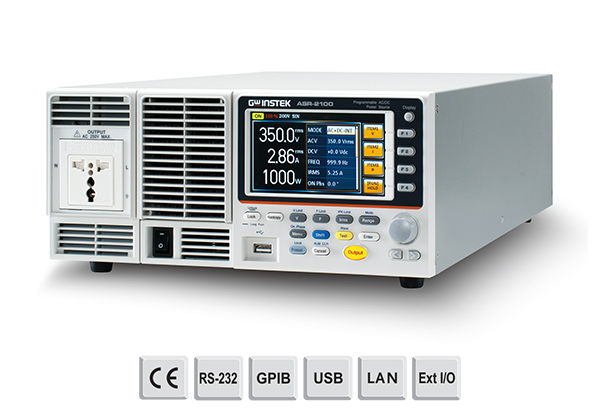
The ASR-2000 series provides users with waveform output capabilities to meet the test requirements of different electronic components /devices. Arbitrary waveform function allows users to store/upload user-defined waveforms and source these waveforms/ signals to their semiconductor devices like mixed signal ICs and setups for testing and validation.
In ASR 2000 series the sequence mode generates waveform fallings, surges, sags, changes and other abnormal power line conditions.